
Hear from Our Customers
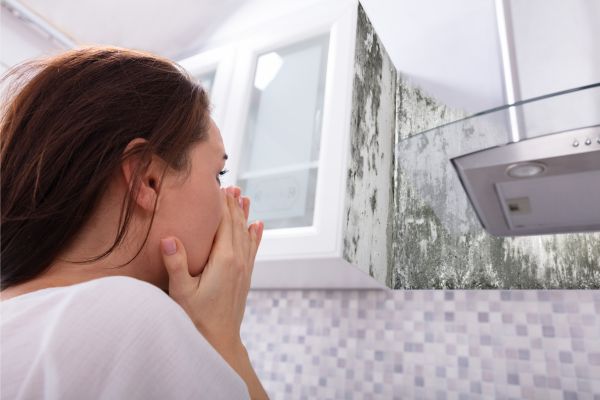
You can’t see mold spores. You can’t always smell them. But they’re there, multiplying behind walls, under floors, in crawl spaces you never check. By the time most people notice, the problem’s already expensive.
Professional mold testing catches what you can’t see. Air sampling picks up spore counts before colonies form. Surface analysis identifies exactly what species you’re dealing with. Lab reports tell you if your indoor air is worse than outside, and by how much.
That matters because Pennsylvania’s humid summers create perfect conditions for mold growth. When indoor humidity creeps past 60% in July and August, you’re not just uncomfortable. You’re giving mold everything it needs to thrive. Testing shows you where moisture is hiding and what’s already growing because of it.
Early detection stops small problems from becoming structural damage. It keeps repair costs in the hundreds instead of the thousands. And it gives you real data instead of guessing whether that musty smell is actually dangerous.
We’ve been serving Bucks County homeowners for years, and we’ve built our reputation on one thing: telling you the truth about what’s in your home. We use the same equipment and methods that certified microbial investigators rely on, and we send every sample to independent labs for analysis.
Here’s what makes us different. We don’t upsell you on remediation services during testing. We’re not looking at your mold problem thinking about our next invoice. We’re looking at it thinking about accurate results and what you actually need to know.
Lower Southampton’s clay-heavy soil holds water longer than most areas. Spring runoff seeps into basements. Summer humidity sits in attics. We know what local conditions do to homes here, and we know what to look for because we’ve tested hundreds of properties dealing with the same climate challenges you face.
First, we walk through your property and talk about what you’ve noticed. Musty smells, water damage history, health symptoms, visible growth. That conversation guides where we test and what methods we use.
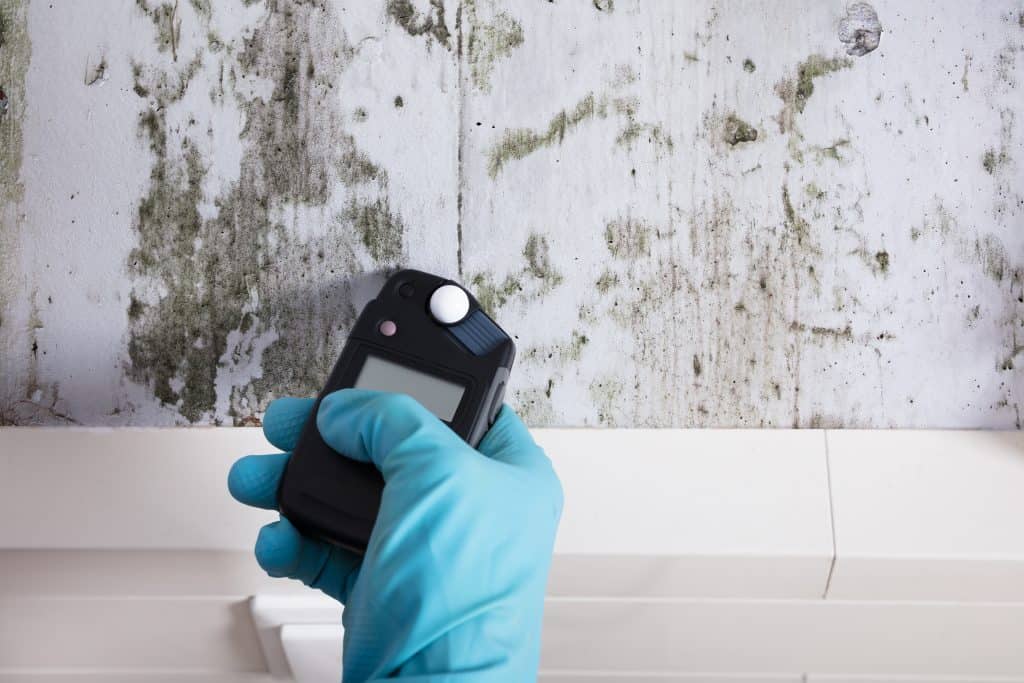
Then we collect samples. Air sampling captures spores floating in your indoor environment and compares them to outdoor baseline levels. Surface sampling takes swabs from suspected growth areas. We use moisture meters and infrared cameras to find hidden dampness that hasn’t caused visible mold yet but will if left alone.
Every sample goes to a certified lab where trained analysts identify species, measure concentration levels, and determine whether your indoor air quality is normal or elevated. You get a detailed report that breaks down exactly what was found, where it was found, and what the numbers mean for your home.
After results come back, we walk you through the findings. Sometimes it’s simple: run a dehumidifier and improve ventilation. Sometimes it’s serious: you need professional remediation and moisture control. Either way, you’ll know exactly what you’re dealing with and what your options are.
Ready to get started?
You get a thorough visual inspection of your entire property, including areas most homeowners never check. Crawl spaces, attics, behind appliances, under sinks. We’re looking for active growth, water stains, condensation patterns, and ventilation issues.
Air quality testing uses professional-grade equipment to capture samples from multiple rooms plus an outdoor control sample. That comparison tells us if your indoor spore counts are elevated, and if so, which rooms have the worst air quality. It’s the same testing method used in real estate transactions and insurance claims because it’s reliable and defensible.
Surface analysis identifies specific mold species when we find visible growth or suspect contamination. Knowing whether you’re dealing with common household mold or toxic black mold (Stachybotrys) changes how seriously you need to respond and how carefully remediation needs to happen.
In Lower Southampton, we pay special attention to basements and crawl spaces. The local soil composition and water table create moisture problems that most homeowners don’t realize they have until mold appears. Our moisture mapping shows you where water is getting in and where humidity is accumulating, so you can fix the source instead of just treating symptoms.
Most residential mold inspections in this area run between $300 and $650, depending on your home’s size and how many samples you need. A typical single-family home with air sampling in three rooms plus surface testing usually falls around $450 to $550.
That includes the on-site inspection, sample collection, lab analysis, and a detailed report of findings. If you need extensive testing because you have a large home or multiple areas of concern, costs can reach $800 to $1,000. But most homeowners don’t need that level of testing unless they’re dealing with widespread water damage or preparing for a real estate transaction.
Compare that to the cost of ignoring a mold problem. Remediation for advanced mold growth runs $2,000 to $6,000 on average, and structural repairs from long-term moisture damage can hit five figures. Testing is the cheapest part of the equation, and it’s the only way to know if you actually have a problem worth fixing.
Get tested after any water damage, even if it was cleaned up quickly. Flooding, pipe bursts, roof leaks, and appliance failures all create conditions for mold growth that can start within 24 to 48 hours. You can’t see it yet, but testing will catch it before it spreads.
You should also test if anyone in your home is experiencing unexplained respiratory symptoms. Stuffy nose, persistent cough, wheezing, burning eyes, or skin rashes that get better when you leave the house and worse when you return. Those are classic signs of mold exposure, and testing confirms whether your air quality is the problem.
Before buying a home, testing gives you leverage. Sellers don’t always disclose mold issues, and standard home inspections don’t include air quality analysis. Spending $500 on testing before you close can save you from buying a $20,000 remediation problem. And if you’re selling, testing proves your home is clean and removes buyer objections before they kill your deal.
DIY kits are unreliable and we don’t use them for good reason. Most store-bought test kits just tell you that mold exists, which isn’t useful because mold exists everywhere. What matters is the type of mold, the concentration levels, and whether your indoor air is worse than outdoor air.
Professional testing uses calibrated air pumps that pull a measured volume of air through collection cassettes. The samples go to certified labs where microbiologists identify species and count spores under microscopes. You get actual data: spore counts per cubic meter, species identification, and comparison to outdoor baseline levels.
DIY kits can’t do that. They either use petri dishes that grow whatever lands on them (which tells you nothing about air quality) or they use unreliable collection methods that don’t meet industry standards. If you’re making decisions about remediation, insurance claims, or real estate transactions, you need professional testing that holds up under scrutiny.
Yes, but only if we take surface samples from visible growth and send them for lab analysis. Air sampling alone won’t definitively identify Stachybotrys chartarum, the species people call toxic black mold. You need direct sampling of the growth itself.
Here’s what you should know: black mold isn’t the only dangerous species, and not all black-colored mold is Stachybotrys. Plenty of common molds look dark or black, and plenty of non-black molds cause serious health problems. The color doesn’t tell you much.
What matters is getting accurate species identification and understanding your exposure level. If we find elevated spore counts in your air and visible growth in your home, that’s a problem regardless of whether it’s the famous toxic variety. Professional testing removes the guesswork and tells you exactly what you’re dealing with, so you can respond appropriately instead of panicking or ignoring a real issue.
Lab results typically come back within three to five business days after we collect samples. Some labs offer rush processing for an additional fee if you need results faster for a real estate closing or insurance claim.
The on-site inspection and sample collection usually takes one to two hours depending on your home’s size and how many areas we’re testing. We’re thorough, but we’re not there all day. You’ll get a preliminary assessment during the inspection based on what we observe, but the official results with spore counts and species identification come after lab analysis.
Once we receive the lab report, we’ll walk you through the findings and explain what the numbers mean. You’re not just getting a stack of technical data you can’t interpret. You’re getting a clear explanation of whether you have a problem, how serious it is, and what your next steps should be based on the actual conditions in your home.
No. Air sampling is completely non-invasive. We set up air pumps in different rooms, they run for a few minutes, and that’s it. Nothing gets damaged, nothing gets opened up.
Surface sampling involves taking small swabs or tape lifts from suspected growth areas. If there’s visible mold on a wall or ceiling, we’re collecting a tiny sample of what’s already there. It doesn’t create holes, doesn’t require cutting into drywall, and doesn’t cause any additional damage beyond what already exists.
The only time testing involves any invasive work is if we need to access hidden areas where we suspect mold but can’t see it. That might mean removing a small section of drywall or pulling back insulation in an attic. But we always discuss that with you first, and it only happens when there’s strong evidence of hidden growth that needs to be confirmed before remediation. Most inspections never reach that point.
Other Services we provide in Lower Southampton